
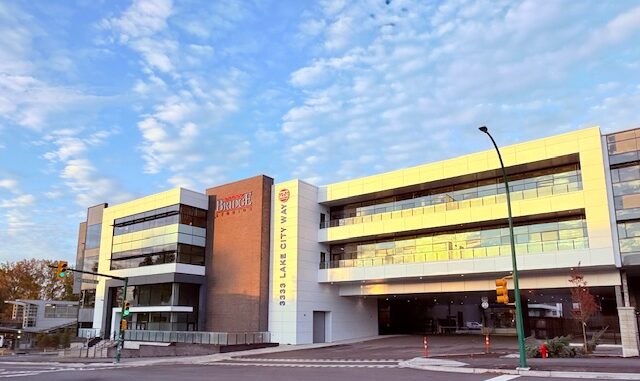
Ridge Sheet Metal helps bring Canada’s largest film studio expansion to life.
By / Natalie Bruckner
For Ridge Sheet Metal, few projects capture both technical scope and creative collaboration like Bridge Studios’ Lake City expansion in Burnaby, BC. Tasked with the complete installation of all sheet metal ductwork across 21 studio spaces, the team’s work became an integral part of the largest studio development in Canadian film history.
Bridge Studios, established in 1987 as Vancouver’s first dedicated film production facility, has long been a cornerstone of the city’s screen industry. Early productions such as MacGyver and Stakeout helped establish its reputation, and more than 1,000 film and television projects have since been shot there, including Deadpool, Jumanji, and 40 Days and 40 Nights. The new Lake City expansion adds 18 state-of-the-art sound stages, bringing the total to 34 and further cementing Bridge Studios’ role as the beating heart of Canadian film production.
For Ridge Sheet Metal, the invitation to contribute to such a landmark project came through BC Comfort, who retained their services as a subcontractor. The scope of work was extensive, encompassing the supply and installation of all HVAC ductwork, grilles, diffusers, and inlet fans, along with full compliance to mechanical design and performance specifications.
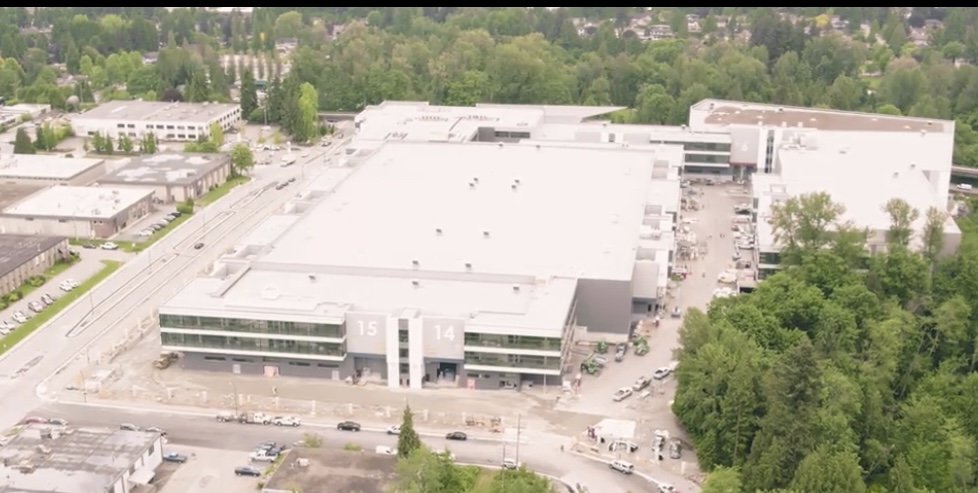
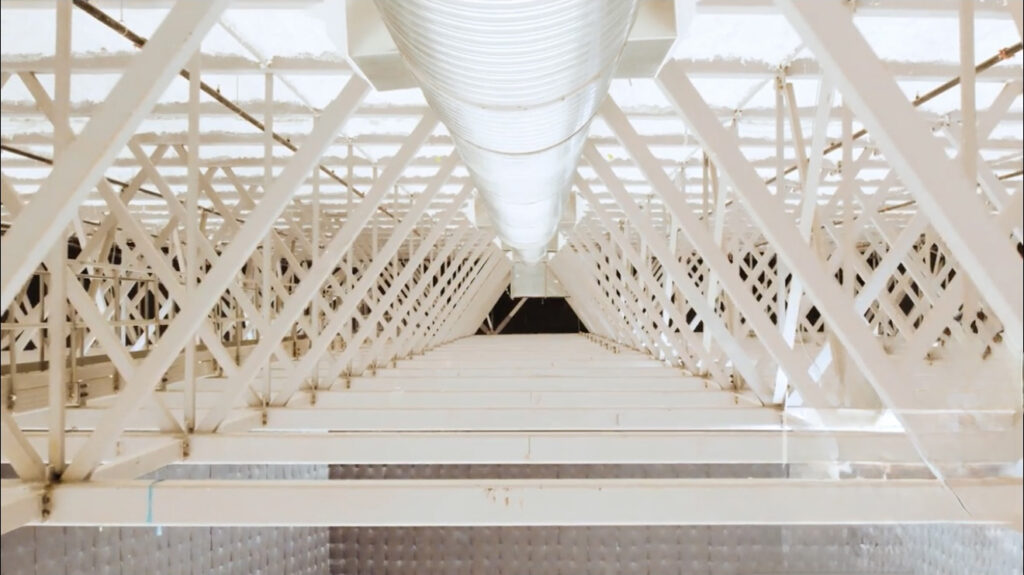
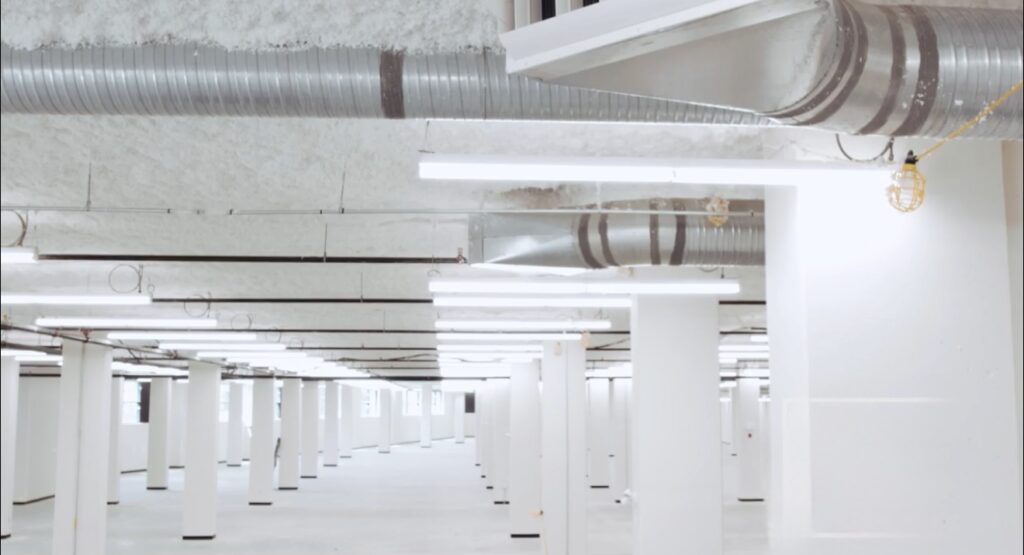
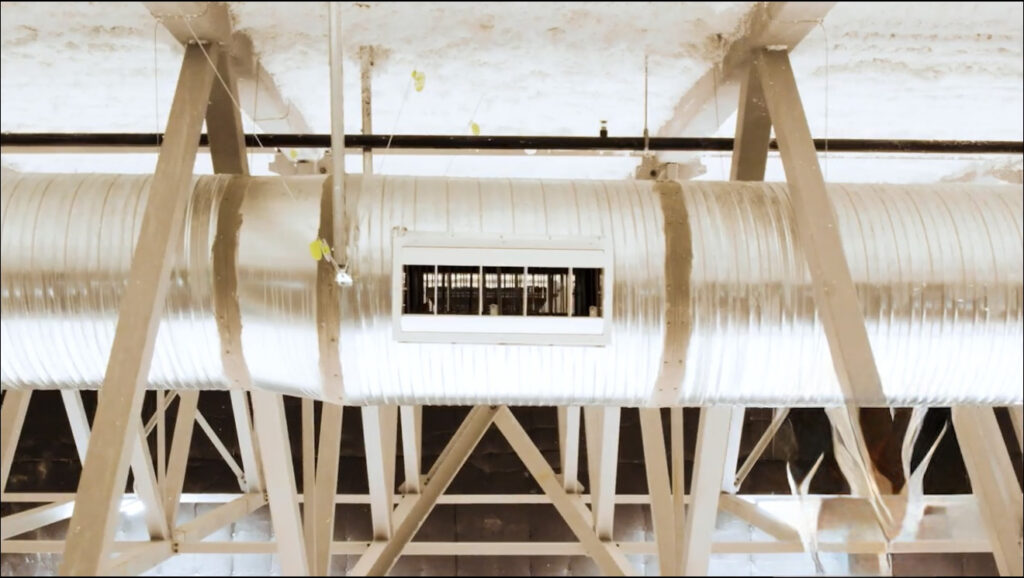
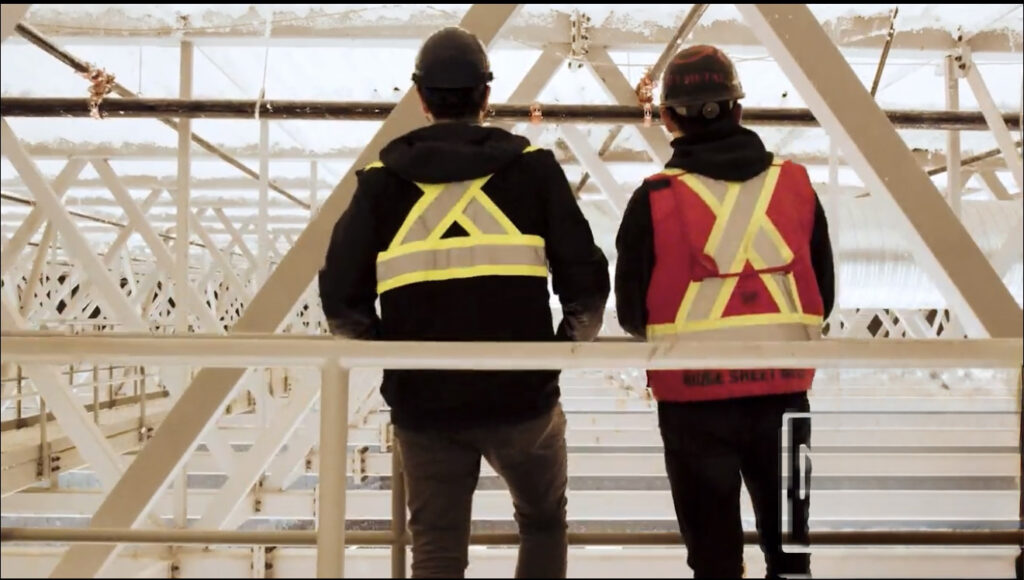
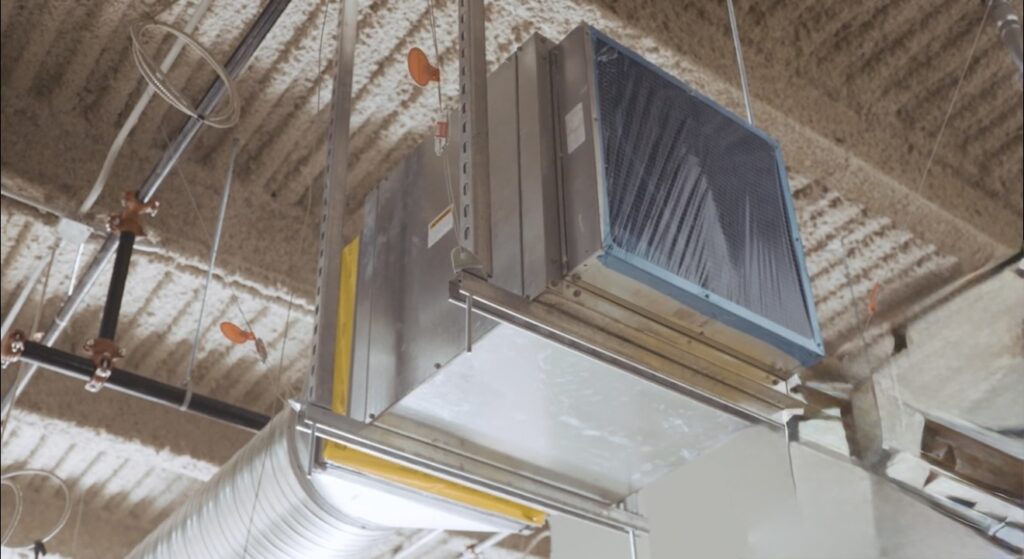
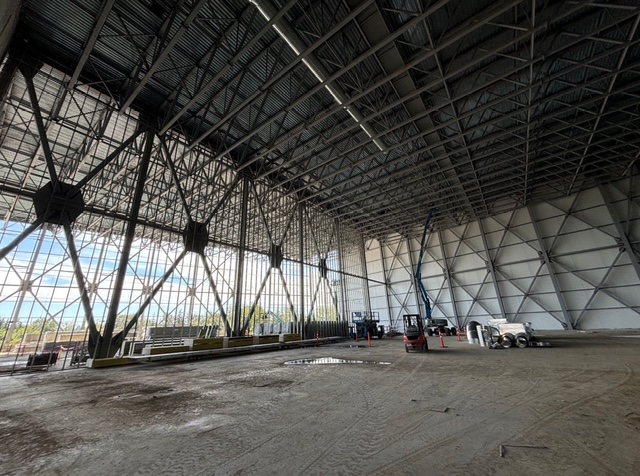
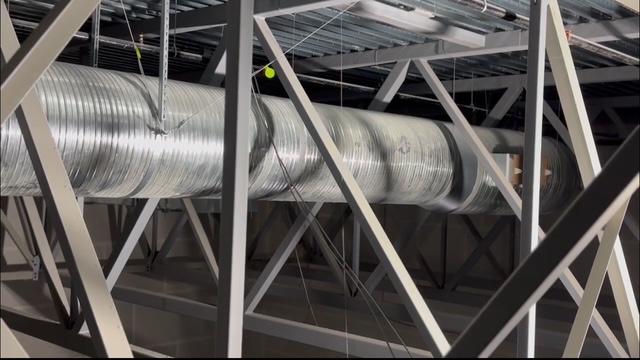
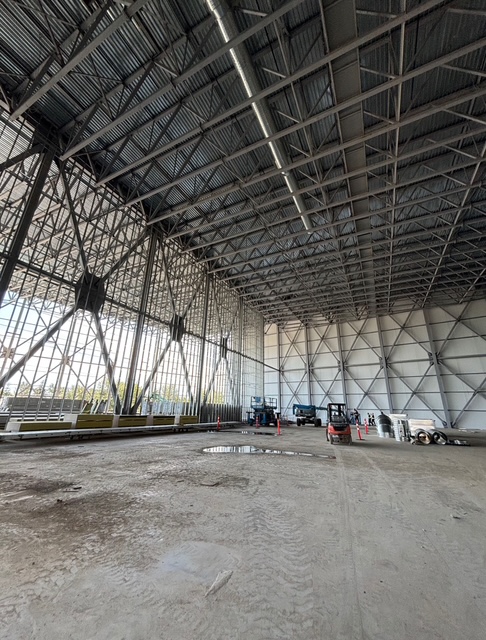
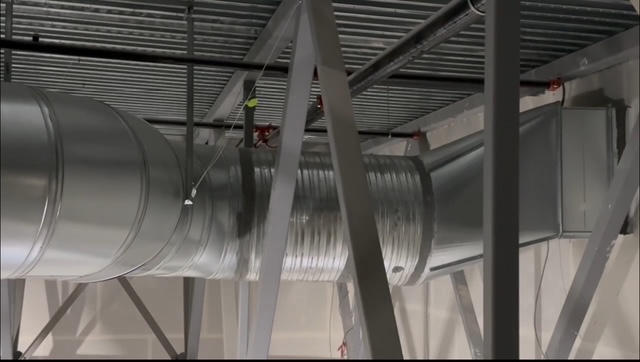
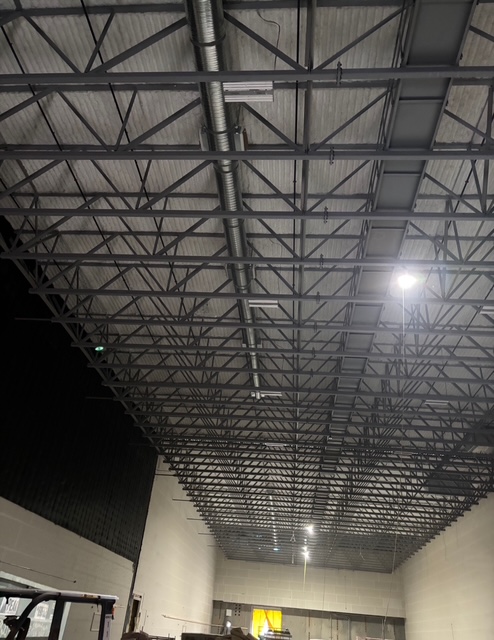
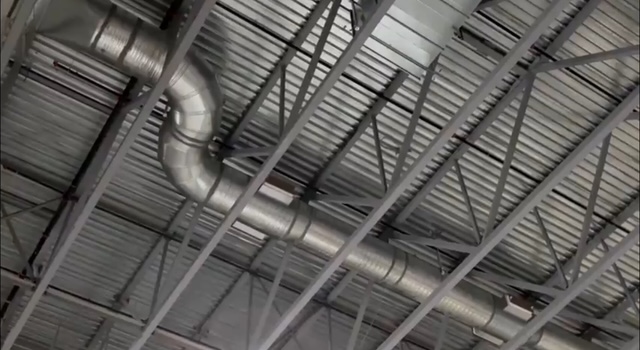
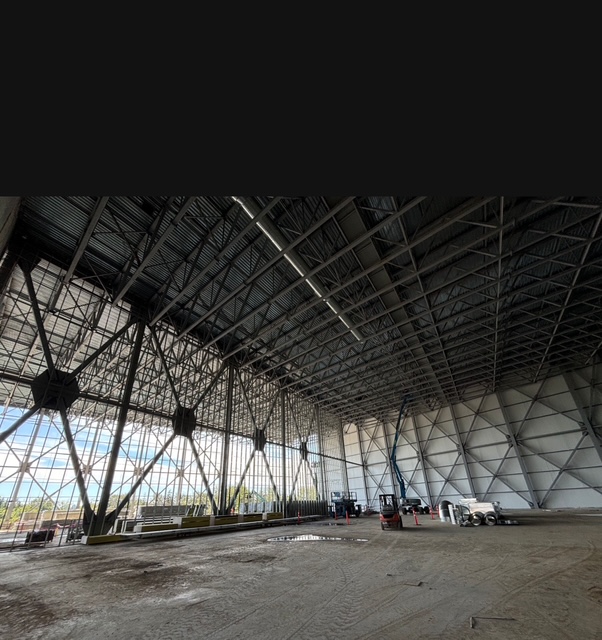
“The scope included large-diameter spiral supply air runs, extensive outside air [OA] branch connections, and large exhaust elbows, as well as rooftop ductwork for all air handling units [AHUs] and outside air goosenecks,” says Curtis Olliffe, project lead at Ridge Sheet Metal. “Each studio operated as an independent HVAC system.”
Each sound stage featured ten perimeter support towers that served multiple functions, incorporating washrooms and kitchen facilities. Additionally, every stage included three levels of electrical “tower” rooms. Ridge Sheet Metal installed large fans and motorized dampers on all three levels across all 21 stages, ensuring efficient ventilation and system control.
“The project also included the installation of all ductwork, grilles, and diffusers for a three-level office complex, constructed in three phases,” Olliffe says. “This portion of the work integrated multiple fan coil units and three energy recovery ventilator systems to optimize indoor air quality and energy efficiency.”
Ridge Sheet Metal completed the ductwork installation throughout two interconnected parkade levels spanning the entire project footprint. This scope included the installation of transfer fans and exhaust fans to maintain adequate ventilation and code compliance across the parking structures.
One surprise that arose was that while sound stages might appear to require specialized acoustic treatment within their duct systems, the acoustic performance requirements specified for this installation were consistent with those of a standard HVAC system. Olliffe explains that this was due to the operational design of each stage, which incorporates a centralized control system (motherboard) governing all mechanical equipment.
“This control system provides the capability to isolate or disable any air handling units, supply fans, or exhaust fans during filming operations,” he says. “As a result, the need for specialized acoustic lining or attenuators within the ductwork was minimized, since mechanical noise can be fully mitigated through system shutdown protocols rather than passive acoustic measures.”
Innovation also shaped Ridge’s installation strategy. To handle the large-diameter stage ductwork safely and efficiently, the team implemented a custom roller system designed specifically for this project. This system allowed the installation team to complete all duct connections from a single, fixed position by rolling each section along the system after assembly.
“Once the full duct runs were assembled, they were lifted into final position using chain falls, ensuring accurate height alignment and minimizing manual handling,” Olliffe explains. “This method provided precise control during installation and reduced the risk of damage to large duct sections.”
Ridge also leveraged its in-house spiral duct fabrication capabilities to produce custom lengths tailored to project specifications. This eliminated the need for field cuts, improved dimensional accuracy, and enhanced overall installation efficiency and quality control.
With a project of this scale, effective co-ordination among all trades was essential. Frequent road closures, restricted access areas, concrete pours, and steel erection activities often impacted delivery schedules and work sequencing. Co-ordinating material handling and determining workable zones required ongoing flexibility and communication. Daily co-ordination meetings allowed the team to address changes in real time, adapt to evolving site conditions, and maintain alignment across all disciplines.
“Ridge places a strong emphasis on building and maintaining positive working relationships with all project partners, particularly the mechanical and electrical trades,” says Olliffe. “Open communication and mutual respect were key to resolving challenges quickly and preventing conflicts that could impact scheduling or installation quality.”
Internally, Ridge prioritized organization and leadership within its own team to maintain efficiency on such a large-scale build. “Experienced journeypersons were assigned to oversee specific areas of the project, ensuring that work progressed smoothly, safely, and in accordance with the project schedule,” he adds. “This structured approach enabled Ridge to deliver consistent quality and co-ordination throughout all phases of construction, and Ridge’s field superintendents played a crucial role in ensuring that productivity and quality standards were upheld.”
At its peak, Ridge Sheet Metal deployed a crew of 16 skilled sheet metal workers to meet the demands of the Bridge Studios Lake City project.
For Olliffe, the highlight of the project was indeed the team itself. “I was fortunate to work with experienced project managers and superintendents who provided strong support throughout the job, including Joe Kalinich, Mark McLaren, and Peter Wood,” he says. “I also had a group of hardworking journeymen who took ownership of their areas, maintained the schedule, and delivered exceptional workmanship.
“Thanks to their dedication and teamwork, the project ran smoothly from start to finish. Osi Kramer led the stages with outstanding craftsmanship and attention to detail. Mack Flesher and Marcel Mirek oversaw the office areas, keeping everything on schedule, while Noah Yachuk managed the towers and supports, doing an excellent job staying organized—which was absolutely essential on a project of this scale. Having a great crew is absolutely essential to the success of any project. Without their effort, skill, and teamwork, this job would not have run as smoothly or achieved the same level of quality we’re all proud of today.” ■