Subcontractors remain resilient in AGC report recap
By Austin Keating
As the construction industry barrels into 2026, the mood is one of cautious optimism, tempered by workforce challenges, shifting policy winds, and the relentless march of technology. The Associated General Contractors of America (AGC) and construction tech firm Sage have unveiled their annual Construction Hiring & Business Outlook, offering the clearest view yet into how construction firms are bracing for the year ahead.
Boiling Down the Numbers: Growth and Unease
According to new AGC analysis, 32 states and the District of Columbia added construction jobs between November 2024 and November 2025. Texas led the pack, adding 24,000 jobs, followed by North Carolina, Ohio, Minnesota, and Michigan. Iowa took the crown for the biggest percentage gain, nearly 10%. But that growth wasn’t universal: New York and New Jersey shed the most jobs, and some states—like Arizona and Alabama—saw notable monthly declines.
“We’re seeing soaring demand for data centers, power, and other select segments,” said Ken Simonson, AGC’s chief economist. “But uncertainty over tariffs and policy shifts is causing many owners to hold back, leading contractors to trim their headcount.”
That uncertainty is showing up in backlogs and hiring plans. While many firms remain optimistic—especially in industrial and infrastructure work—there’s a clear sense that the good times aren’t spread evenly.
Immigration’s Outsize Role in Construction Labor
Ken Simonson, AGC’s chief economist, underscored just how dependent the construction industry is on foreign-born workers. “An analysis of the 2024 American Community Survey found that 35% of construction craft workers were foreign born,” Simonson explained. “That’s about double the 18% of the total American workforce that is foreign born.” The numbers vary widely by state: in places like California, Texas, Maryland, New Jersey, and the District of Columbia, half or more of all craft workers are foreign born. In contrast, northern states and areas like West Virginia see single-digit percentages.
Simonson noted that construction workers are often more mobile than those in other industries, moving to where the work is. “This is an issue for all contractors, potentially, if there is a tightening of immigration enforcement and closing down of the borders.” He referenced a recent Congressional Budget Office analysis, which warned that if immigration slows or stops, the United States population may begin to decline as early as 2030, with deaths outnumbering births. “Not just the construction industry, but the economy as a whole is going to be more and more dependent on foreign-born workers,” Simonson added.
That’s why AGC is pushing for legal pathways to bring in foreign-born workers and making sure contractors can utilize those already here legally—steps the association sees as vital to the industry’s future.
The AI Boom and the Data Center Surge
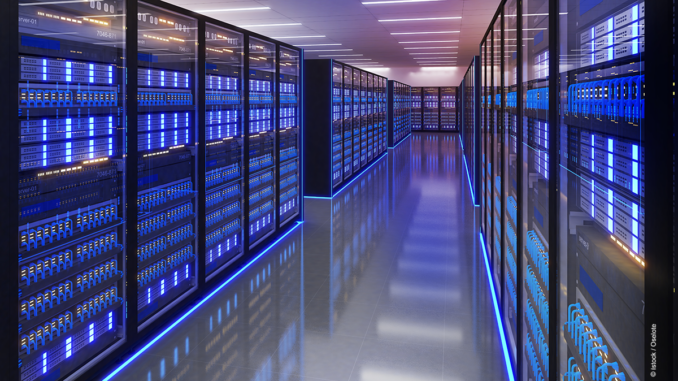
Julie Adams, a spokesperson for Sage, highlighted one unmistakable trend: the explosive growth in data center construction, fueled by the artificial intelligence boom. “As businesses race to build the computing infrastructure needed to power AI applications, they’re creating unprecedented demand for specialized construction projects,” Adams said.
That surge couldn’t come at a better time for some firms facing labor shortages and operational headaches. Sage’s data shows 61% of construction firms now use AI or plan to increase investments in it—up sharply from last year. The most common use cases? Office and admin work, estimating, design, and even recruitment.
“We’re at an inflection point,” Adams said. “AI is both driving demand and reshaping how construction firms operate. Those who embrace these technologies will be best positioned to capitalize as adoption accelerates.”
Subcontractors: The Steady Engine Beneath the Surface
Amid all the volatility, one part of the industry remains a bedrock: specialized subcontractors, particularly in HVAC and sheet metal. Despite worries about labor supply and shifting demand, these trades are holding steady, and in many markets, they are thriving.
Yet, headwinds loom. Contractors report that tariffs and stricter immigration enforcement are creating anxiety and making workforce planning harder. AGC’s leadership is pushing for action on several fronts: expanding legal work visas for construction, boosting funding for technical training, and pressing Congress to reauthorize key infrastructure programs before current legislation expires in September. “With supportive infrastructure funding, workforce investment, and trade and permitting policies in place, construction can continue to grow the economy and expand access to high-paying career opportunities,” said AGC CEO Jeffrey Shoaf.
A Patchwork Outlook: Resilient Subs, Cautious Owners, and a Race for Talent
What emerges from this year’s outlook is a patchwork: explosive growth in data centers and select infrastructure, hesitancy in private commercial construction, and a fierce competition for skilled labor—particularly as senior leaders retire and aren’t easily replaced.
Yet, in the trenches, subcontractors remain resilient. Despite all the noise about economic headwinds and policy shifts, HVAC and sheet metal contractors—and many of their peers—are still busy, still hiring, and still essential.
As Van Slyke put it, bringing things back to the basics: “There’s optimism about growth for the overall industry. Firms are still looking to find people and get ready for the work.”
For an industry used to boom-and-bust cycles, that quiet confidence might be the biggest news of all. ■
This article was shortened to meet space requirements. Read the full article at https://tinyurl.com/5npjt96r
Austin Keating is the special section editor of SNIPS NEWS at The ACHR NEWS. He covers sheet metal, mechanical contractors, duct cleaning, testing and balancing, steel, building information modeling (BIM) and architecture, engineering and construction (AEC). Prior to joining BNP Media, he served as field editor for Prairie Farmer and media specialist at the National Center for Supercomputing Applications. Email him at keatinga@bnpmedia.com.