By / Jessica Kirby
Daniel Carlson, president at Total Mechanical in Portland, cares deeply about his workforce. “We have over 200 craftworkers, and this is an important group to me,” he says. “They are the life-blood of our business.”
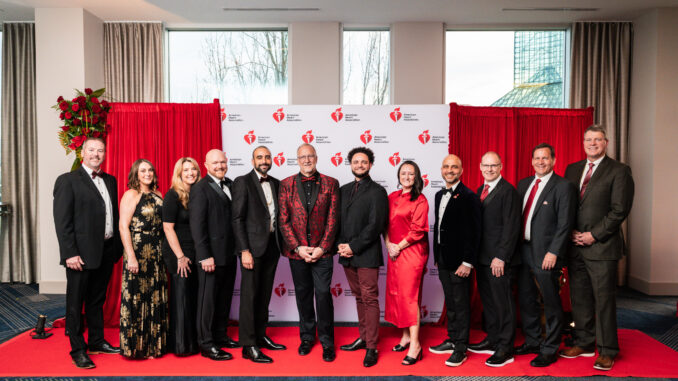
Carlson sits on the Executive Leadership Team that organizes and fundraises for the Heart Ball, a large, annual fundraising event for American Heart Association (AHA). The team comprises several people in construction and suppliers to the industry, and this group supports fundraising from the business side while creating awareness for the field and craftworkers.

“The American Heart Association provides programs, education, and statistics on heart health and health in general, with specific information for craftworkers, who experience high rates of early death and heart health related challenges,” Carlson says.
According to AHA’s Hard Hats with Heart program, which addresses risks and opportunities for better health among construction workers, in the United States, construction workers have a higher risk of developing cardiovascular disease, thanks to long hours, high stress, poor nutrition, high tobacco use, and the lack of heart-strengthening exercise.
In fact, 343,000 construction workers (1 in 25) have already been diagnosed with cardiovascular disease, prompting AHA to work with leaders in the construction industry to engage construction workers nationwide and inspire them to live longer, healthier lives.
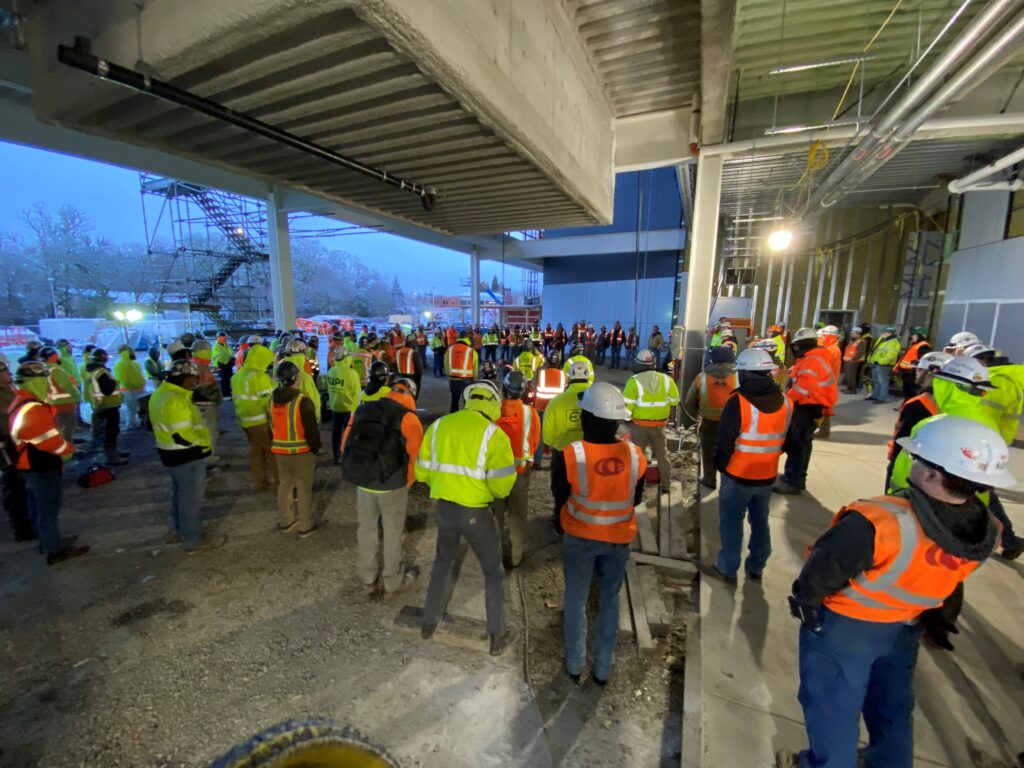
“My hope is connecting people with this program and information and unifying with other contractors to start to help our workers address these challenges,” Carlson says. “It is important to me they are taken care of.”
He adds that there are many small, easy changes people can make in their lifestyle or working conditions that will make a large impact, including those on AHA’s Life’s Essential 8 list.
Small lifestyle steps, big results: Life’s Essential 8
1. Eat Better
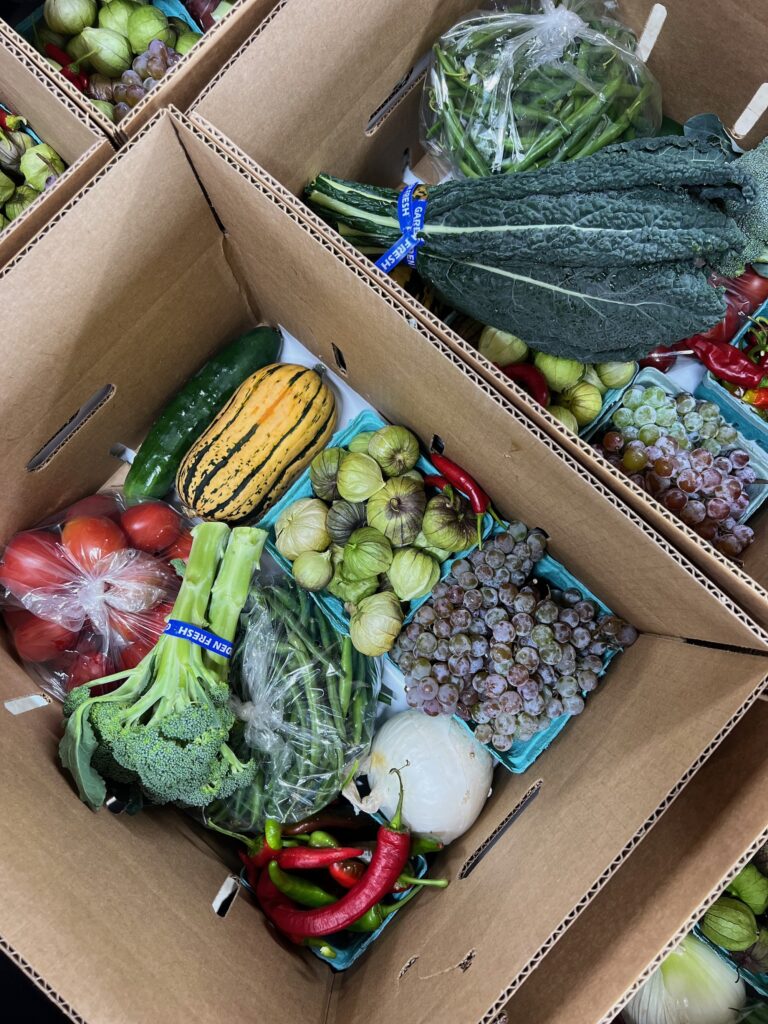
Aim for an overall healthy eating pattern that includes whole foods, lots of fruits and vegetables, lean protein, nuts, seeds, and cooking in non-tropical oils such as olive and canola.
2. Be More Active
Adults should get 2 ½ hours of moderate or 75 minutes of vigorous physical activity per week. Kids should have 60 minutes every day, including play and structured activities.
3. Quit Tobacco
Use of inhaled nicotine delivery products, which includes traditional cigarettes, e-cigarettes, and vaping, is the leading cause of preventable death in the United States, including about a third of all deaths from heart disease. Roughly 40% of American children ages 3-11 are exposed to second-hand smoke.
4. Get Healthy Sleep
Most adults need 7-9 hours of sleep each night. Adequate sleep promotes healing, improves brain function and reduces the risk for chronic diseases.
Learn how to get adequate sleep.
5. Manage Weight
Achieving and maintaining a healthy weight has many benefits. Body mass index, a numerical value of your weight in relation to your height, is a useful gauge. Optimal BMI is less than 25, but less than 18.5 is considered underweight. You can calculate it online or consult a health care professional.
Learn to lose or manage weight.
6. Control Cholesterol
High levels of non-HDL, or “bad” cholesterol, can lead to heart disease. Your health care professional can consider non-HDL cholesterol as the preferred number to monitor, rather than total cholesterol, because it can be measured without fasting beforehand and is reliably calculated among all people.
Learn how to control cholesterol.
7. Manage Blood Sugar
Most of the food we eat is turned into glucose (or blood sugar) that our bodies use as energy. Over time, high levels of blood sugar can damage your heart, kidneys, eyes, and nerves. As part of testing, monitoring hemoglobin A1c can better reflect long-term control in people with diabetes or prediabetes.
Learn how to control blood sugar.
8. Manage Blood Pressure
Keeping your blood pressure within acceptable ranges can keep you healthier longer. Levels less than 120/80 mm Hg are optimal.
Learn how to manage blood pressure.
Help from the heart
Leaders who want to get involved can sponsor an event like the Heart Ball or Hard Hats with Heart to showcase their company’s commitment to safety and wellness while supporting vital research and education initiatives. They can also promote heart health within the construction industry by joining the Executive Leadership Team, which plays a pivotal role in shaping strategy, driving initiatives, and fostering partnerships. Watch the AHA calendar for a Hard Hats with Heart event near you and experience the power of community and collaboration. This is the perfect opportunity to learn how to incorporate a culture of wellness within your workforce and have access to elevated education tools and resources.
About Total Mechanical
“Our edge is the people we have here at Total Mechanical,” Carlson says of the team employed at the full-service company, which was founded in 1979. “The quality and experience of our craftworkers and the intelligence from the office side create a comprehensive package to deliver well on projects and a ‘better plan better build’ belief that we can set a project in motion completely and correctly and make that a better experience for everyone.”
Resources
To learn more, start with these additional resources and reach out to American Heart Association.
Hard Hats with Heart Resource Hub – An industry-specific resource on nine different health topics. Each topic includes a series of Toolbox Talks, posters, videos and more.
Kevin’s Story – A short video about a local electrician and how his story prompted greater engagement with American Heart Association and healthier living strategies in his workplace.
Cardiac Emergency Response Plans (CERP) are a great way to pull together the tools that many companies have in place already and make sure there is a response plan outlined and communicated.
CPR Training –
- Group training kits: CPR & First Aid Anywhere Training Kit |
American Heart Association CPR & First Aid - Heartsaver CPR Training Course: Heartsaver | American Heart Association CPR & First Aid
- AED Trainer: AED Trainer ■
By the Numbers
- Approximately 211,000 construction workers (1 in 25) have been diagnosed with cardiovascular disease. That’s more than double the number of people who attended the Rose Bowl.
- Nearly Half of all construction workers don’t get enough exercise. Lack of activity is a key risk factor for both heart disease and stroke.
- 1 out of 4 construction workers use tobacco. Tobacco use and smoking is the leading preventable cause of death in the United States.
- 1 in 25 construction workers have diabetes, which increases a person’s risk of cardiovascular diseases.
- $363 billion is spent every year on direct and indirect expenses (such as loss of productivity, care-giving, and sick time) on cardiovascular diseases. ■